Touch the Warmth of Time: European Vintage Cast Iron Door Handles, Turning Every Door Opening into a Ritual
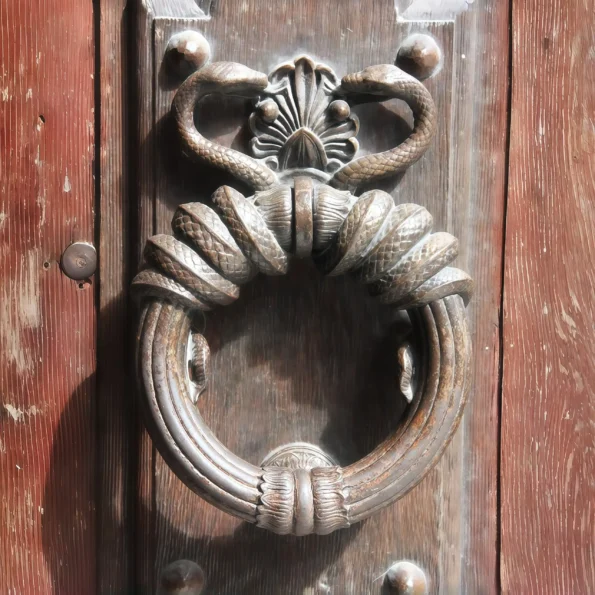
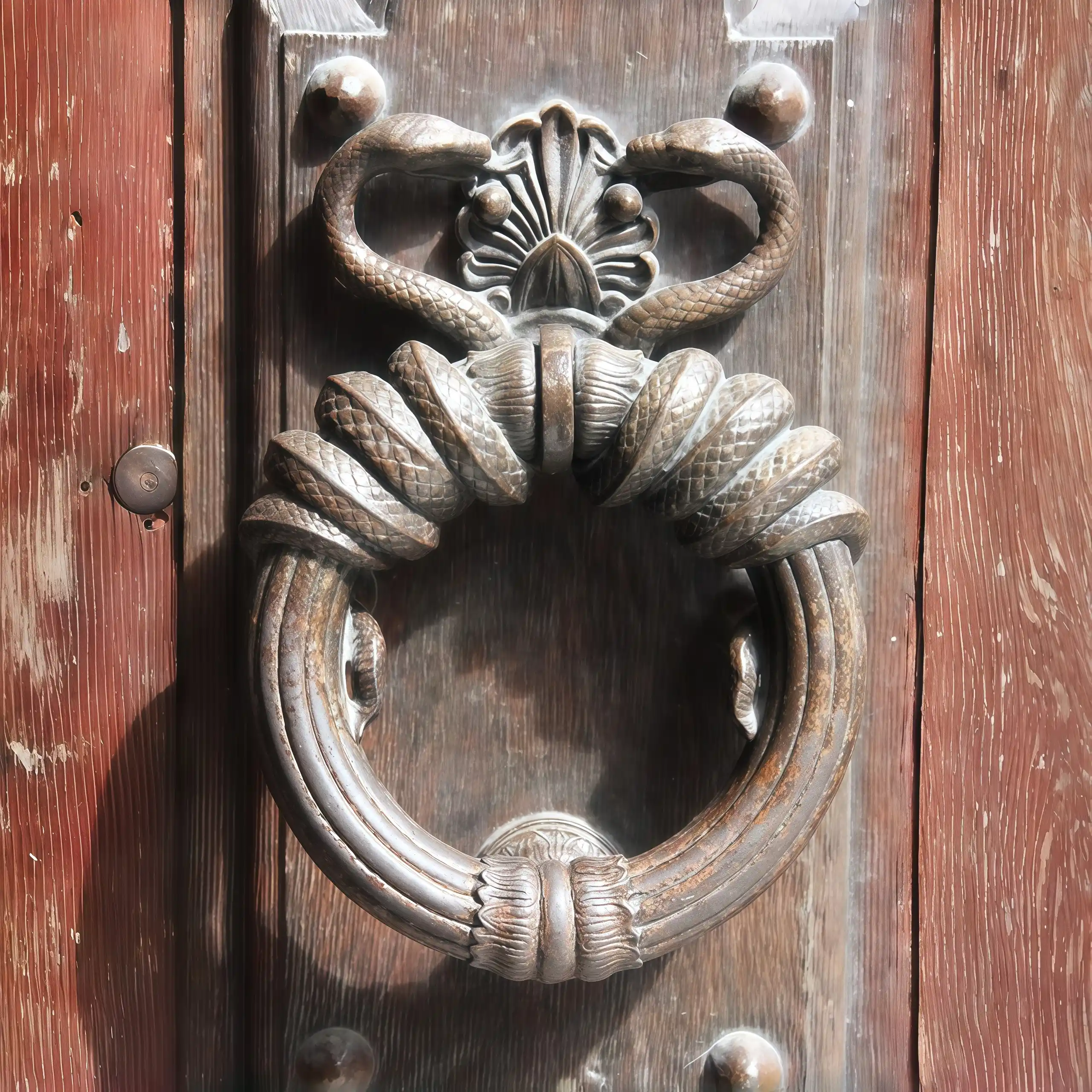
As modern home decor falls into the trap of “minimalist homogeneity”, there are always some objects with traces of time that can instantly break the dullness and inject soul into the space. The European vintage cast iron door handle is just such a “hardware with a story” — it is not a cold opening and closing tool, but a time messenger walking out of European castles and old buildings. It integrates centuries-old craftsmanship and life aesthetics into the palm of your hand, turning every door opening into a gentle ritual of dialogue with history.
In the history of European architecture, door handles have never been just “accessories”. From the intricate carvings of the Renaissance to the concise lines after the Industrial Revolution, the evolution of door handles has always been in sync with the style of the times. The vintage cast iron door handles we present are a sincere tribute to this period of history — abandoning the rough reproduction of assembly lines, we restore classic shapes with traditional casting techniques, and then endow them with “time patina” through manual aging. Each piece has a unique texture and warmth, suitable for various home styles such as French vintage, British countryside, and Italian light luxury. Whether it is the renovation of an old house or the decoration of a new house, it can become the “finishing touch” in the space.
Classic Design: Replicating the Aesthetic Genes of European Architecture
A good door handle is a “space symbol” that can be remembered at first glance. Our design team has deeply studied European classical architectural aesthetics, drawing inspiration from the carvings of Notre Dame de Paris and the ironwork of old buildings in Florence. We perfectly integrate classic designs with modern usage needs, making each style highly recognizable.
The “Castle Spiral Flower Style” is the epitome of the Renaissance style — based on a thick solid cast material, the surface is carved with tangled acanthus leaf patterns. The curves of the scrolls are smooth and natural, and the edges of the petals are manually polished, making the touch delicate and not harsh. The acanthus leaf symbolizes “eternal vitality” in Europe, and the details of the pattern hide the craftsman’s respect for nature. When installed on a solid wood door, it feels like you can push open the door to a medieval castle in the next second.
The “Industrial Style Straight Grain Style” replicates the tough temperament of the 19th-century British Industrial Revolution — abandoning redundant decorations, it uses concise straight grain texture throughout the whole. The top adopts a rounded arc transition, balancing a sense of strength and affinity. The aged metal surface has a matte luster, with rust and luster intertwined, which is perfectly suitable for loft spaces or vintage studios, forming a wonderful texture balance with concrete walls and exposed pipelines.
The “Pastoral Wheat Ear Style” is a gentle representative of French countryside — the slender cast material outlines the plump shape of wheat ears. The wheat awns have been specially treated, with a real texture but not prickly. The small round base at the end is exquisite, which complements the warm texture of the wooden door. When the morning sun shines, the texture on the surface of the door handle can reflect soft light and shadow, adding a touch of natural comfort to the kitchen or bedroom.
Ancient Casting Technique: Making Each Piece “One of a Kind”
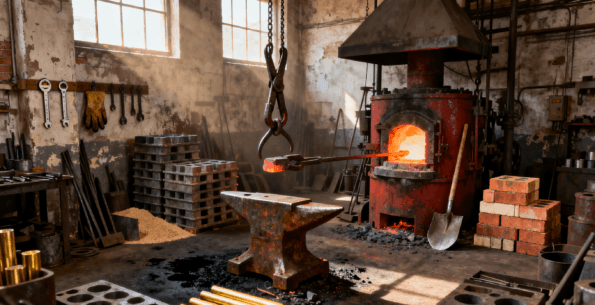
The soul of vintage lies in the details of craftsmanship. We adhere to the traditional European “sand casting method”. This craftsmanship, which has been passed down for hundreds of years, is not as efficient as machine production, but it can endow metal with a unique vitality.
The first step of the craftsmanship is to make the sand mold. Craftsmen will first carve a prototype of the same size as the door handle with solid wood, then mix specially proportioned quartz sand with a binder, and tightly wrap the prototype. After the sand mold solidifies, the prototype is carefully taken out to form an accurate casting cavity. In this process, the thickness of the sand particles and the strength of compaction will affect the texture of the final product. Even for the same design, there will be no identical details.
The next step is the casting process. We choose high-purity aluminum alloy as the raw material, which has higher hardness than ordinary zinc alloy, is not easy to deform, and is corrosion-resistant, making it more suitable for long-term use. Heat the aluminum alloy to above 700°C, and when it turns into a flowing molten metal, slowly pour it into the sand mold cavity. Craftsmen will control the pouring speed throughout the process to avoid air bubbles and ensure that the molten metal fills every detail of the pattern — this step requires not only technology but also patience; a slight mistake can lead to the scrapping of the casting.
After the casting cools and takes shape, it enters the most time-consuming “manual polishing and aging” process. Craftsmen first use coarse sandpaper to remove sand particles and burrs on the surface of the casting, then replace it with fine sandpaper and polish repeatedly until the surface is smooth and delicate. The aging process completely relies on experience: natural rust is formed on the metal surface through oxidation treatment, and then a special wax oil is dipped in cotton cloth and wiped repeatedly to fix the rust in the texture depressions, while making the raised parts show the original luster of the metal. This “manual aging” is different from the fake rust sprayed by machines; it has a real touch and will form a more layered patina as time goes by.
Finally, each door handle undergoes strict anti-corrosion treatment and is sprayed with a transparent protective coating, which not only retains the vintage texture but also resists erosion in humid environments, ensuring long-term use in humid spaces such as bathrooms and kitchens. From sand mold making to finished product delivery, a door handle goes through 12 processes and takes 72 hours. This adherence to “slow work produces fine products” is the best interpretation of vintage aesthetics.
In home decoration, what is most touching is never the expensive material, but the warmth and story behind the object. The European vintage cast iron door handle replicates classics with ancient craftsmanship and decorates life with time texture. When your fingertips touch it, you feel not only the thickness of the metal but also the precipitation of centuries-old craftsmanship and the poetry of life. Let it be the “time switch” of your home — every time you open the door, it is a gentle embrace with beautiful years.