As a popular category in outdoor equipment and cultural collectibles, archery products show a dual-track development trend in the cross-border market. Modern mechanized bows cater to the rigid demands of hunting and competition with extreme performance, while handmade bows capture niche enthusiasts through cultural premium and emotional value, each precisely targeting different consumer groups and scenarios. Below, we analyze the core differences from three dimensions—cross-border selling points, consumer needs, and market positioning—to help sellers optimize product selection and copywriting accurately.
I. Material Differences: Tech-Enabled vs. Natural Rarity, Precisely Meeting Quality Demands
Materials are the core quality indicator concerned by cross-border buyers, and the material selection logic of the two types of bows directly determines pricing and target customers.
Modern Mechanized Bows: Industrial-Grade Materials, Focusing on Durability and Stability They mainly adopt composite synthetic materials such as fiberglass, carbon fiber, and epoxy resin. High-end models are equipped with aviation-grade aluminum alloy or titanium alloy components to strengthen the structure. Tuned through industrial formulas, these materials offer three core advantages: strong resistance to temperature and humidity changes, long service life, and stable elastic modulus, making them perfectly suitable for complex scenarios like outdoor hunting and field competitions. The bowstrings are made of high-strength synthetic fibers, ensuring uniform tension and resistance to erosion in extreme environments such as rainforests and deserts, completely solving the problem of natural materials being prone to deformation and moisture. Keyword adaptation: carbon fiber, weather-resistant, high durability, accurately covering Amazon hunting equipment search traffic.
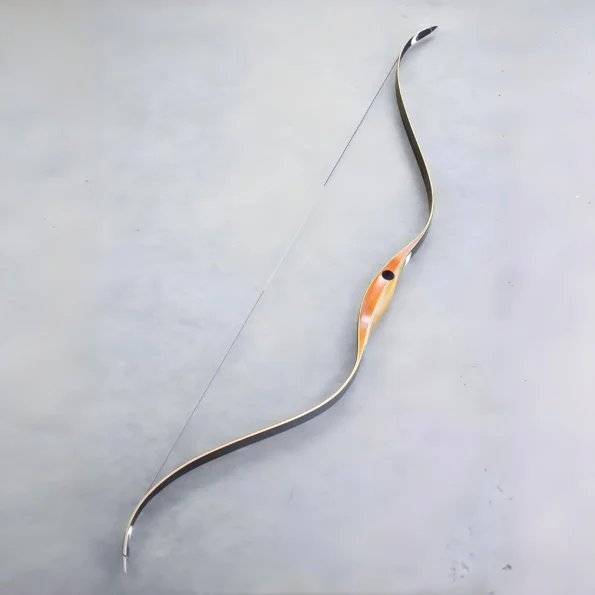
Handmade Bows: Natural Raw Materials + Ancient Formulas, Creating a Rarity Label Adhering to the selection of natural materials, single-piece bows use winter-aged bamboo or hardwood with 4-5 years of growth (low sugar content, high density, and high toughness). Composite horn-and-sinew bows follow the ancient principle of “horn outside, sinew inside”, taking ox horn, beef sinew, and bamboo-wood as the core, combined with natural adhesives such as fish bladder glue to form a structure with both strength and elasticity. Arrow shafts are made of specific Indocalamus bamboo, and fletchings use natural materials like turkey feathers. Each bow has unique natural textures and characteristics, catering to the overseas consumption trend of “natural living” and “original experience”. Keyword adaptation: handmade natural bamboo, ancient craft, unique texture, suitable for cultural collection and traditional archery enthusiast circles.
II. Craftsmanship Differences: Standardized Mass Production vs. Handmade Customization, Matching Different Supply Chain Needs
Craftsmanship directly affects supply capacity, quality control costs, and premium space, adapting to the two major cross-border e-commerce models: large-scale operation and niche customization.
Modern Mechanized Bows: Intelligent Manufacturing & Mass Production, Adapting to Mass Rigid Demand Market Relying on standardized processes such as CAD modeling, CNC cutting, laser arc calibration, and automatic lamination bonding, zero-error mass production is achieved. The production cycle of a single bow is shortened to within 45 minutes, with a very low defect rate, supporting bulk stockpiling and cross-border logistics turnover. The core selling point is adjustability—draw weight and draw length can be precisely adjusted through mechanical structures, adapting to users of different heights and arm strengths. It is easy for beginners to get started, reducing the consumption threshold. Adaptable scenarios: Amazon best-seller development, outdoor equipment chain supply. Keywords: adjustable draw weight, mass production, beginner-friendly.
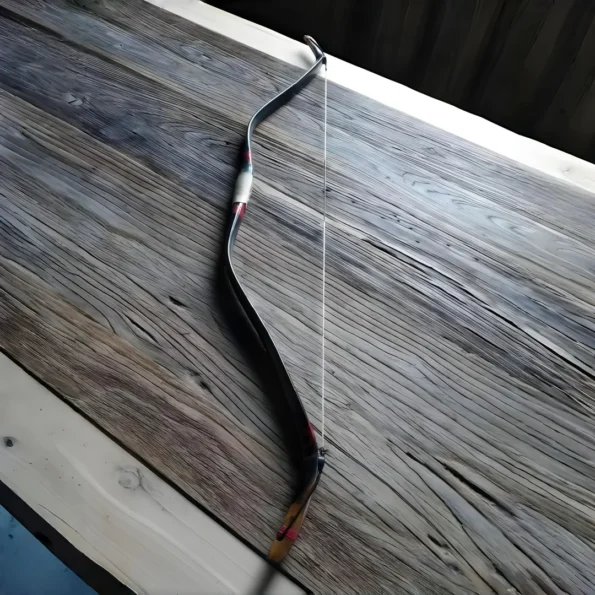
Handmade Bows: Artisan Handcrafting, Focusing on Customization and Rarity The entire process from material selection to finished product is done by hand. Artisans personally identify the toughness and grain direction of bamboo, straighten it through charcoal baking, and repeatedly bend and adjust the tension. A single finished bow takes 7-10 working days, and complex horn-and-sinew bows take months to make, with each piece being a “one-of-a-kind” work. Personalized customization is supported—parameters can be adjusted according to the buyer’s arm strength and usage scenario, and value-added services such as engraving and patterns can increase the premium space. Adaptable scenarios: independent site high-end lines, Etsy cultural categories, private collection customization. Core selling points: handcrafted by artisans, custom-made, limited edition, enhancing emotional value and collection attributes.
III. Performance Differences: Efficiency-First vs. Experience-Oriented, Precisely Matching Usage Scenarios
Overseas buyers’ demand for bow performance is highly scenario-specific, and the performance designs of the two types of products form clear market segmentation.
Modern Mechanized Bows: Extreme Performance, Meeting Hunting and Competition Rigid Demands The core advantage lies in the cam (pulley) let-off system. After full draw, users only need to bear a part of the draw weight. Equipped with accessories such as sights and stabilizers, the arrow speed is more than 30% higher than that of traditional bows, with stable trajectory and high accuracy. The IBO arrow speed can reach 353 feet per second, featuring excellent concealment and penetration, making it the top choice for hunting enthusiasts and competitive archers. Performance keywords: high arrow speed, cam system, hunting penetration, accurately reaching rigid demand groups such as outdoor hunting and competitive archery.
Handmade Bows: Pure Experience, Adapting to Cultural Entertainment and Collection Without any mechanical auxiliary devices, they offer a soft draw feel and natural feedback. The shooting experience relies on muscle memory and technical proficiency, focusing on the original “unity of man and bow” feeling. The lightweight design is easy to carry and requires no complicated maintenance, suitable for scenarios such as outdoor camping, historical reenactment, and traditional archery experience. Although slightly inferior in accuracy, cultural attributes and unique experience become core competitiveness, attracting buyers pursuing emotional pleasure and cultural connection. Adaptable keywords: pure shooting experience, lightweight portable, cultural collection.
IV. Market Positioning: Rigid Demand Tools vs. Emotional Collectibles, Optimizing Pricing and Marketing Logic
The differences in the core value of the two types of bows determine their different pricing strategies, consumer groups, and marketing directions.
Modern Mechanized Bows: Cost-Effective Tool Products, Focusing on Volume Pricing follows industrial product logic, ranging from tens to thousands of US dollars, with differences resulting from material grades and mechanical structure complexity. The consumer groups are mainly outdoor hunting enthusiasts, competitive archers, and beginners, with core demands for qualified performance, easy operation, and high cost-effectiveness. Marketing focus: Highlight parameters, performance test data, and real shooting of usage scenarios, combined with standardized after-sales services (warranty, free accessories), adapting to Amazon PPC advertising and best-seller development logic.
Handmade Bows: High-Premium Emotional Products, Circle Marketing Pricing focuses on labor costs and rarity. The labor cost of models supervised by intangible cultural heritage inheritors accounts for 55%-65%, and high-end models have collection premium potential. The consumer groups are traditional cultural enthusiasts, niche collectors, and handcrafted product fans, with core demands for cultural heritage, uniqueness, and emotional value. Marketing focus: Tell artisan stories, shoot short videos of the production process, emphasize intangible cultural heritage certification, and penetrate through social media (Instagram, Facebook) circles to enhance brand identity.
V. Cross-Border Product Selection Suggestion: Dual-Track Layout to Cover Full Market Demand
Modern mechanized bows and handmade bows are not competitive but can achieve complementary dual-track layouts. Mechanized bows focus on the mass rigid demand market, seizing traffic dividends through large-scale supply and standardized copywriting; handmade bows delve into niche high-end circles, increasing profit margins through cultural premium and customization services. It is recommended that sellers adjust the ratio according to the target market—focus on mechanized bows in hunting-popular European and American regions (such as the United States and Canada), and increase the promotion of handmade bows in regions with strong cultural consumption (such as European countries and Japan). Meanwhile, optimize keyword layout and scenario-based copywriting to accurately reach buyers with different needs.